
In het kort
Een erfrecht advocaat is een advocaat die zich richt op juridische conflicten en vraagstukken rond nalatenschappen, testamenten en de positie van erfgenamen.
- Onenigheid tussen erfgenamen over de verdeling of de uitvoering van een testament leidt regelmatig tot een procedure op grond van artikel 3:185 BW (gerechtelijke verdeling).
- Een onterfd kind kan op grond van artikel 4:63 BW aanspraak maken op de legitieme portie, ter waarde van de helft van het wettelijk erfdeel; deze aanspraak vervalt vijf jaar na het overlijden (art. 4:85 BW).
- Wie erft heeft drie keuzes: zuiver aanvaarden, beneficiair aanvaarden (art. 4:190 BW) of verwerpen. De keuze bepaalt of u privé aansprakelijk bent voor schulden van de overledene.
- Bij een nalatenschap met buitenlandse elementen bepaalt de Europese Erfrechtverordening (EU 650/2012) welk recht geldt en welke rechter bevoegd is.
- Tijdig juridisch advies voorkomt dat termijnen aflopen of dat handelingen onbedoeld als zuivere aanvaarding gelden.
When should you engage an inheritance law attorney?
Hulp van een advocaat is verstandig wanneer een nalatenschap juridische vragen oproept die de notaris niet of niet langer kan beantwoorden. De notaris is neutraal en behartigt geen partijbelang; een advocaat doet dat wel. In de praktijk komen mensen vaak bij ons in vier situaties.
- Er ontstaat een conflict over de verdeling, over de uitleg van het testament of over de uitvoering door de executeur.
- U bent onterfd of als kind buiten een testament gehouden en wilt weten of u de legitieme portie kunt opeisen.
- De nalatenschap bevat schulden of u twijfelt over aanvaarden, en de termijn voor een keuze loopt.
- Er is een internationale component: de overledene woonde of had vermogen in meerdere landen, of erfgenamen wonen in verschillende landen.
Daarnaast komen mensen bij ons voor een second opinion wanneer zij al juridisch worden bijgestaan en willen toetsen of de gekozen route de juiste is. Een vroege beoordeling voorkomt vaak dat verdere kosten worden gemaakt op een onhoudbaar standpunt.
Wat een erfrecht advocaat voor u doet
Een erfrecht advocaat brengt eerst uw juridische positie in kaart en bepaalt vervolgens met u welke route het beste past. Het werk van een advocaat erfrecht valt grofweg in vijf taken uiteen.
- Uw rechtspositie vaststellen op basis van het testament, de wettelijke verdeling en de feitelijke situatie van de nalatenschap.
- Het testament en eventuele schenkingen tijdens leven juridisch duiden en doorrekenen voor de legitimaire massa.
- Informatie en stukken opvragen of afdwingen bij de andere erfgenamen, de executeur of de notaris, eventueel via een kort geding.
- Onderhandelen over een minnelijke regeling, zo nodig met een mediator erbij wanneer de verhoudingen verstoord zijn.
- Procederen bij de rechtbank wanneer overleg vastloopt, met een verzoekschrift gerechtelijke verdeling of een dagvaarding.
Bij vragen over de legitieme portie geldt een termijn van vijf jaar na het overlijden. Wachten is in die situatie zelden verstandig: bewijsstukken zoals schenkingsadministraties zijn na verloop van tijd moeilijker boven tafel te krijgen, en banken hanteren bewaartermijnen.
Conflict tussen erfgenamen
Bij een conflict tussen erfgenamen ligt de kern meestal in een verschil van inzicht over de waarde van bezittingen, de uitleg van het testament of de gang van zaken rond de uitvoering. Wanneer overleg niet meer werkt, kan de rechter op grond van artikel 3:185 BW de verdeling vaststellen. In dossiers waarbij één erfgenaam in de woning blijft wonen zien wij vaker dat de procedure stagneert, omdat de bewonende erfgenaam het verkoopproces in de praktijk kan vertragen. Een vroege rechtspositie-analyse maakt duidelijk welke drukmiddelen er zijn.
Voor een uitgebreide bespreking van deze procedure: zie onze pagina over conflict tussen erfgenamen.
Onterving en de legitieme portie
De legitieme portie is het wettelijk minimumdeel waar een kind aanspraak op kan maken, ook na onterving in het testament. De legitieme portie bedraagt op grond van artikel 4:63 BW de helft van het wettelijk erfdeel, in geld uitgekeerd, niet in goederen. De aanspraak moet binnen vijf jaar na het overlijden worden ingeroepen (art. 4:85 BW), op straffe van verval.
Bij de berekening worden schenkingen die de overledene tijdens leven heeft gedaan onder voorwaarden meegeteld in de legitimaire massa. Dit kan de legitieme portie aanzienlijk verhogen, vooral wanneer er forse schenkingen zijn gedaan aan een ander kind of aan een nieuwe partner. De analyse vraagt inzage in de schenkingsadministratie en doorgaans bankafschriften over een aantal jaren.
Een dieperliggende uitleg, ook over de volgorde van inkorting, staat op de pagina legitieme portie en onterving.
Erfenis met schulden: zuiver, beneficiair of verwerpen
Wie erfgenaam is heeft drie keuzes, en die keuze bepaalt of de schulden van de overledene op u verhaald kunnen worden. Bij zuivere aanvaarding bent u privé aansprakelijk voor het tekort. Bij beneficiaire aanvaarding (art. 4:190 BW) ontvangt u alleen wat overblijft na de schulden; uw privévermogen blijft buiten beeld. Bij verwerpen bent u geen erfgenaam meer en heeft u geen aanspraken, maar ook geen aansprakelijkheid.
De keuze ligt niet altijd open: handelingen waaruit blijkt dat u de nalatenschap als de uwe behandelt, gelden in beginsel als zuivere aanvaarding. Het opzeggen van het abonnement van de overledene kan bijvoorbeeld al problematisch zijn, terwijl het regelen van de uitvaart dat niet is. Voor minderjarige erfgenamen geldt automatisch beneficiaire aanvaarding.
Een uitgebreide vergelijking van de drie routes en de praktische gevolgen leest u op erfenis met schulden, en specifiek op beneficiair aanvaarden of erfenis verwerpen.
International estate
Bij een nalatenschap met buitenlandse elementen geldt sinds 17 augustus 2015 de Europese Erfrechtverordening (EU 650/2012). De hoofdregel: het recht van het land waar de overledene zijn gewone verblijfplaats had, geldt voor de hele nalatenschap. De overledene kan bij testament hebben gekozen voor het recht van zijn nationaliteit; die rechtskeuze wijzigt de uitkomst materieel.
In dossiers met vermogen in meerdere landen zien wij vaker dat erfgenamen in verschillende landen tegelijk procedures starten omdat zij elk uitgaan van het recht van hun eigen land. Dat vergroot kosten en doorlooptijd zonder tot een betere uitkomst te leiden. Vroeg vaststellen welke rechter bevoegd is, voorkomt deze opstapeling. Wij begeleiden zaken waarbij Nederlands recht van toepassing is of de Nederlandse rechter bevoegd is.
Voor de juridische kaders: zie internationaal erfrecht.
What are the costs of an inheritance law attorney?
De kosten van een erfrecht advocaat hangen af van de complexiteit van de nalatenschap, de houding van de andere erfgenamen en de vraag of de zaak buiten de rechtbank kan worden opgelost. Wij werken op uurtarief; toevoegingen (gefinancierde rechtsbijstand) zijn beperkt mogelijk en hangen af van uw inkomen en vermogen.
Vier factoren beïnvloeden de kosten in de praktijk het sterkst:
- De omvang en samenstelling van de nalatenschap, met name vastgoed en ondernemingsbelangen.
- Het aantal erfgenamen en de mate van overeenstemming.
- De aanwezigheid van een internationaal element of een rechtskeuze in het testament.
- De vraag of de zaak in overleg of via de rechter wordt afgewikkeld.
In een eerste adviesgesprek geven wij een indicatie van de te verwachten inspanning. Meer over onze tarieven en werkwijze leest u op tarieven.
Service area and accessibility
Simmelink Advocaten is gevestigd in Maarssen en begeleidt cliënten in heel Nederland en internationaal. Veel cliënten ontmoeten wij op kantoor; minstens zo vaak werken wij volledig op afstand via beveiligd videobellen. Bij een procedure bij de Rechtbank Midden-Nederland (Utrecht) of een andere rechtbank verzorgen wij de zitting; bij internationale zaken voeren wij waar mogelijk procedures voor de Nederlandse rechter wanneer artikel 4 of 10 EU 650/2012 daartoe ruimte biedt.
Voorbeelden uit onze praktijk
Onderstaande voorbeelden zijn geanonimiseerd. Het gaat om de juridische structuur van de zaak; namen, locaties en data zijn weggelaten of aangepast.
Conflict over the parental home
Drie erfgenamen verschilden van mening over de verkoop van de woning waarin hun overleden ouder had gewoond. Twee kinderen wilden verkopen, het derde woonde er zelf en weigerde mee te werken. De vraag was of de bewonende erfgenaam een titel had om er te blijven.
Uit het testament en de wettelijke verdeling bleek geen voortgezet gebruiksrecht. Op die basis stelden wij namens de twee erfgenamen een termijn voor met een redelijke verhuistijd in ruil voor medewerking aan de verkoop. Het alternatief was een verzoekschrift gerechtelijke verdeling op grond van artikel 3:185 BW. Partijen kwamen tot een schriftelijke regeling voordat de procedure werd ingediend.
Uncertainty about acceptance in the event of potential debts
Een erfgenaam meldde zich kort na het overlijden van een familielid. Er waren signalen van schulden, maar geen volledig beeld; de keuzetermijn liep en er waren al wat administratieve handelingen verricht.
Wij maakten een eerste inventarisatie, vroegen via de notaris om inzage in de boedelbeschrijving en gaven een advies tot beneficiair aanvaarden conform artikel 4:190 BW. Daarmee bleef het privévermogen van de erfgenaam buiten beeld voor eventuele schulden boven de waarde van de nalatenschap. De tijdige actie voorkwam dat eerdere handelingen alsnog als zuivere aanvaarding werden uitgelegd.
Nalatenschap met vermogen in drie landen
De overledene had de Nederlandse nationaliteit, woonde de laatste jaren in een ander EU-land en liet vermogen na in Nederland en in twee andere landen. Erfgenamen in verschillende landen hadden ieder een eigen advocaat ingeschakeld.
Op grond van de Europese Erfrechtverordening (EU 650/2012) is in beginsel het recht van het land van de gewone verblijfplaats van toepassing. Wij stelden vast welke rechter primair bevoegd was en welk recht zou worden toegepast op de verdeling. Door dit vroeg te concentreren werd voorkomen dat in drie landen tegelijk procedures bleven lopen. De afwikkeling werd geleid via één hoofdprocedure, met afstemming met de buitenlandse advocaten.
Our Attorneys at Law
Het team van Simmelink Advocaten is gespecialiseerd in familierecht, internationaal familierecht en erfrecht. Cliënten worden begeleid door één vaste advocaat, die het gehele dossier overziet en discreet communiceert. Bij complexe financiële kwesties of een internationale component is de combinatie van juridische diepgang en internationale ervaring belangrijk.
In complex financial matters or an international component, a specialized lawyer is important.
We strive for legally correct, practically feasible agreements that give you predictability and peace of mind.

Carla Simmelink – Family Law Attorney, International Family Law and Inheritance Law
Family Law Attorney, International Family Law and Inheritance Law
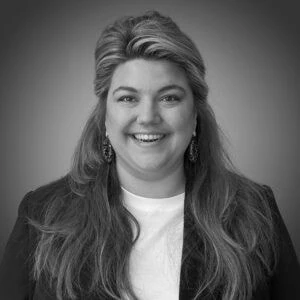
Valerie Lingg – Family Law Attorney, International Family Law
Family Law Attorney, International Family Law

Eva Zaunbrecher-Boschloo – Family Law Attorney, International Family Law
Lawyer at Law (International) Family Law


Clients are guided by a dedicated lawyer who oversees the entire file and communicates discreetly.
Frequently Asked Questions
Een erfrecht advocaat is meestal nodig wanneer er een conflict dreigt tussen erfgenamen, wanneer u bent onterfd en wilt weten of u recht heeft op de legitieme portie, of wanneer de verdeling van de nalatenschap is vastgelopen. Ook bij twijfel over aanvaarding vanwege mogelijke schulden, of bij een internationale component, is juridische beoordeling verstandig. Dit is algemene informatie; elke situatie vraagt om een eigen beoordeling.
De legitieme portie is het wettelijk minimumdeel waarop een kind aanspraak kan maken, ook na onterving via het testament. Op grond van artikel 4:63 BW bedraagt de legitieme portie de helft van het wettelijk erfdeel, uit te keren in geld. De aanspraak moet binnen vijf jaar na het overlijden worden ingeroepen (art. 4:85 BW). Schenkingen tijdens leven worden onder voorwaarden meegerekend bij de berekening.
Bij beneficiair aanvaarden (art. 4:190 BW) bent u erfgenaam, maar niet privé aansprakelijk voor schulden van de overledene boven de waarde van de nalatenschap; u ontvangt wat overblijft na de schulden. Bij verwerpen bent u geen erfgenaam, heeft u geen aanspraken en geen aansprakelijkheid. De keuze hangt af van uw inschatting van de financiële situatie van de nalatenschap en eventuele emotionele of familieoverwegingen.
Een procedure begint vrijwel altijd met overleg, eventueel met inschakeling van een mediator. Lukt dat niet, dan dient een advocaat een verzoekschrift gerechtelijke verdeling in op grond van artikel 3:185 BW, of een dagvaarding wanneer een geldvordering centraal staat. De rechter beoordeelt de feiten en het toepasselijke erfrecht en stelt de verdeling vast of wijst de vordering toe of af. Tegen de uitspraak staat in veel gevallen hoger beroep open.
Ja. Simmelink Advocaten begeleidt nalatenschappen waarbij Nederlands recht van toepassing is of de Nederlandse rechter bevoegd is. Dat geldt ook bij een internationale component, bijvoorbeeld omdat de overledene in het buitenland woonde of vermogen had in meerdere landen. Op grond van EU 650/2012 stellen wij vroeg vast welk recht en welke rechter centraal staan. Zaken die uitsluitend onder buitenlands recht vallen behoren niet tot onze werkingssfeer; voor die situaties verwijzen wij door.
Trust and quality
Simmelink Advocaten is aangesloten bij de Nederlandse Orde van Advocaten. Lees onze beoordelingen of bekijk onze werkwijze.
Bespreek uw situatie met ons
Wilt u weten wat uw rechtspositie is bij een nalatenschap of een conflict tussen erfgenamen? Plan een adviesgesprek om uw situatie zorgvuldig in kaart te brengen. Bent u al in procedure bij een ander kantoor, dan kunt u ook een second opinion aanvragen.
Schedule an appointmentOr contact us by phone via: 030 – 30 787 32
Geschreven door Carla Simmelink, advocaat erfrecht bij Simmelink Advocaten.


